

LABOR. WORK AFTER THE OF DOMINATION
The two projects presented at the DAEJEON INTERNATIONAL PHOTO FESTIVAL do not address labor in its most obvious sense. They do not depict factories, machines, or people performing their duties. They approach work as a relationship between people, landscape, time, and the inevitability of transience. Both question the limits of human agency, seeking answers in different directions.
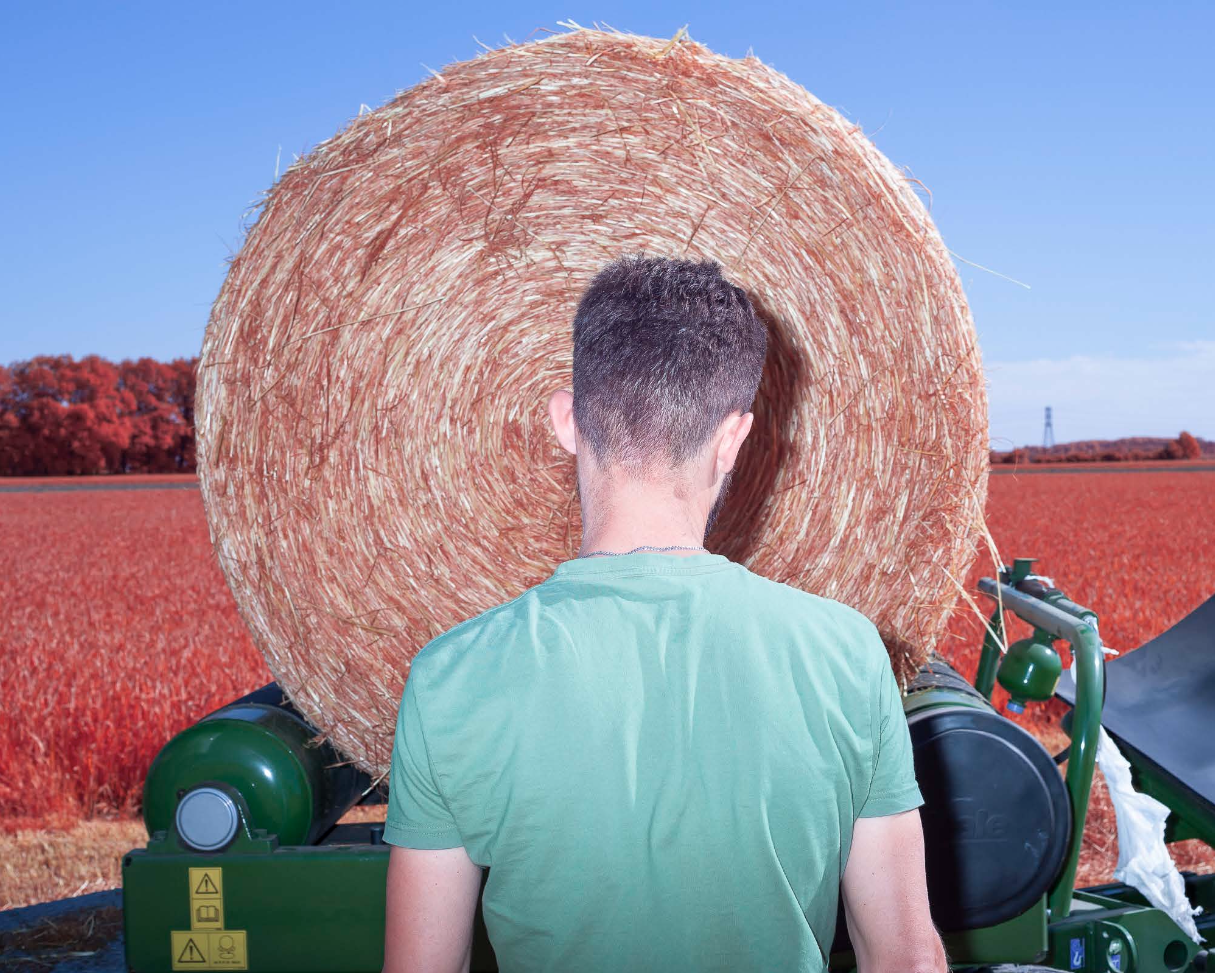
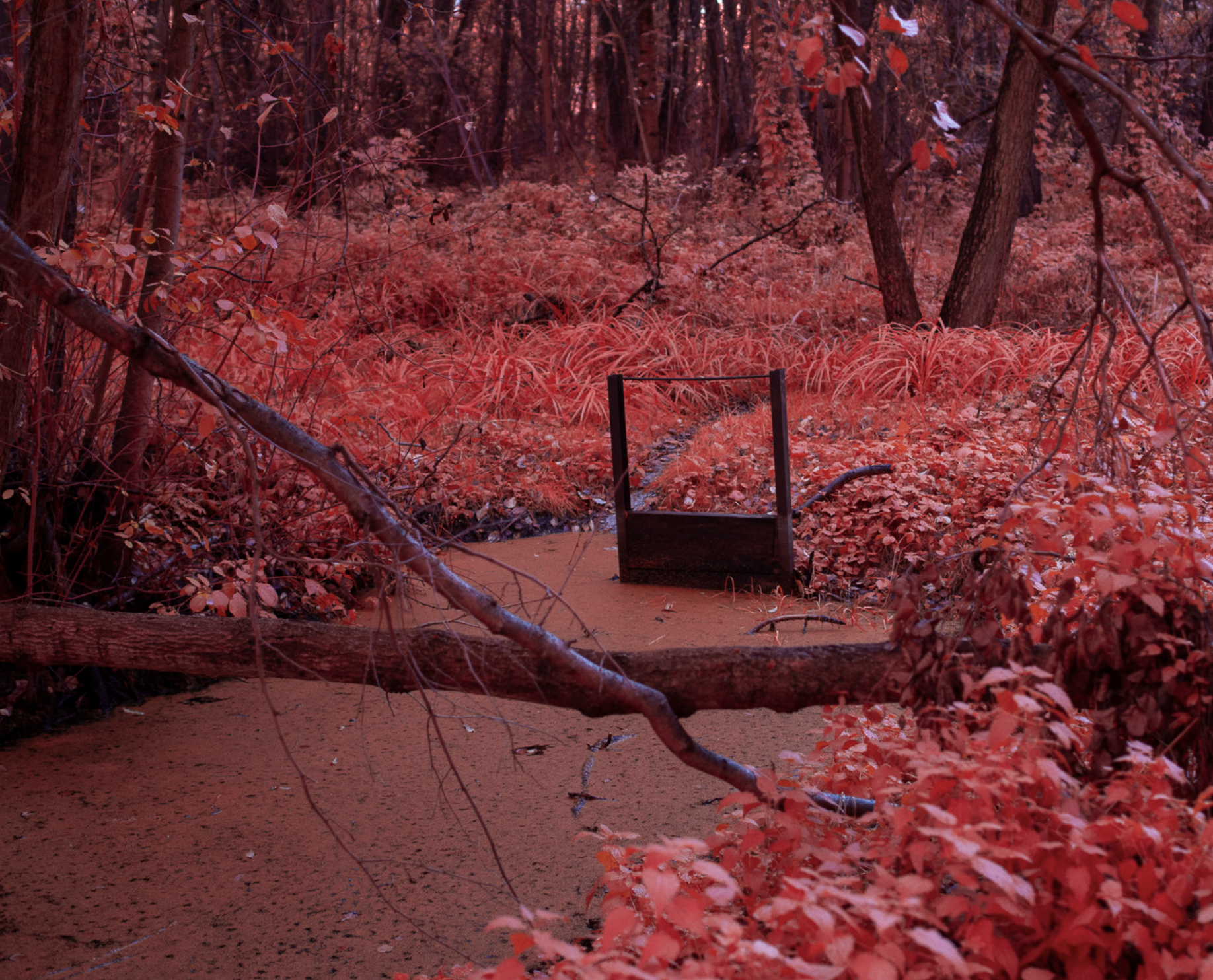
Michał Adamski’s project, As the Water Covers the Land, stems from a specific location: the agricultural landscape of Wielkopolska (a region in Poland), shaped by the work of Dezydery Chłapowski, a 19th-century pioneer of modern agriculture in Poland. This historical landscape becomes the starting point for reflection on the future. It is presented as a record of centuries of human labor. Fields, drainage systems, structured spaces, and crops are the result of efforts to harness nature to meet human needs. At the same time, the artist reveals the paradox of modern agriculture: the pursuit of maximum efficiency is beginning to backfire on the very foundations of production. Monocultures, loss of biodiversity, soil degradation, and the deepening water crisis demonstrate that labor understood solely as the intensification of production leads to the weakening of the system on which it itself depends.
The photographs of Adamski propose a view of history as a resource of knowledge. Turning to practices of water retention or the restoration of mid-field trees is not a gesture of nostalgia, but an attempt to reclaim experiences that can become the foundation of a more sustainable model of management. Labor, therefore, ceases to be a tool for dominating nature and takes on the form of collaboration with biological processes that humans do not control, yet remain a part of.
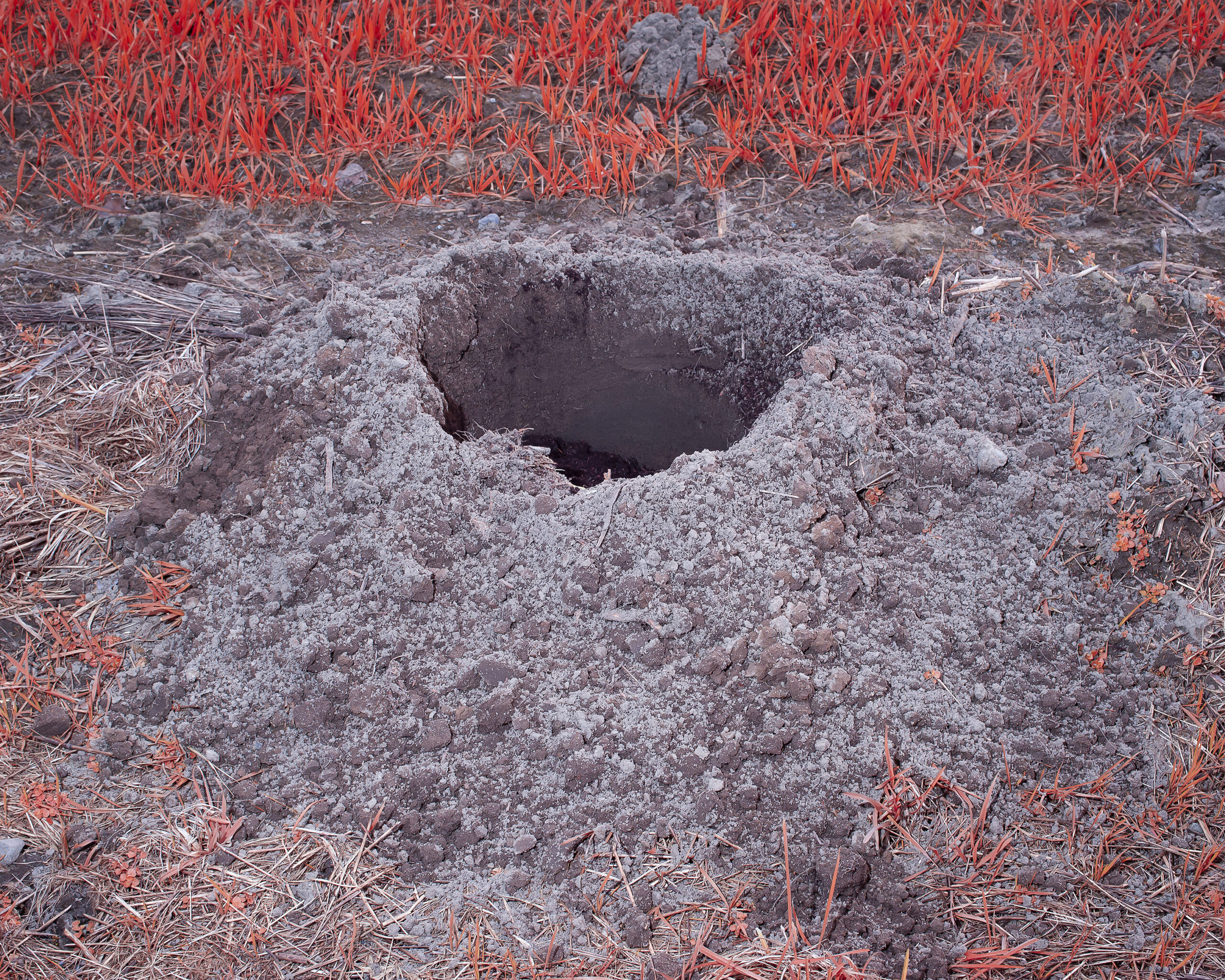
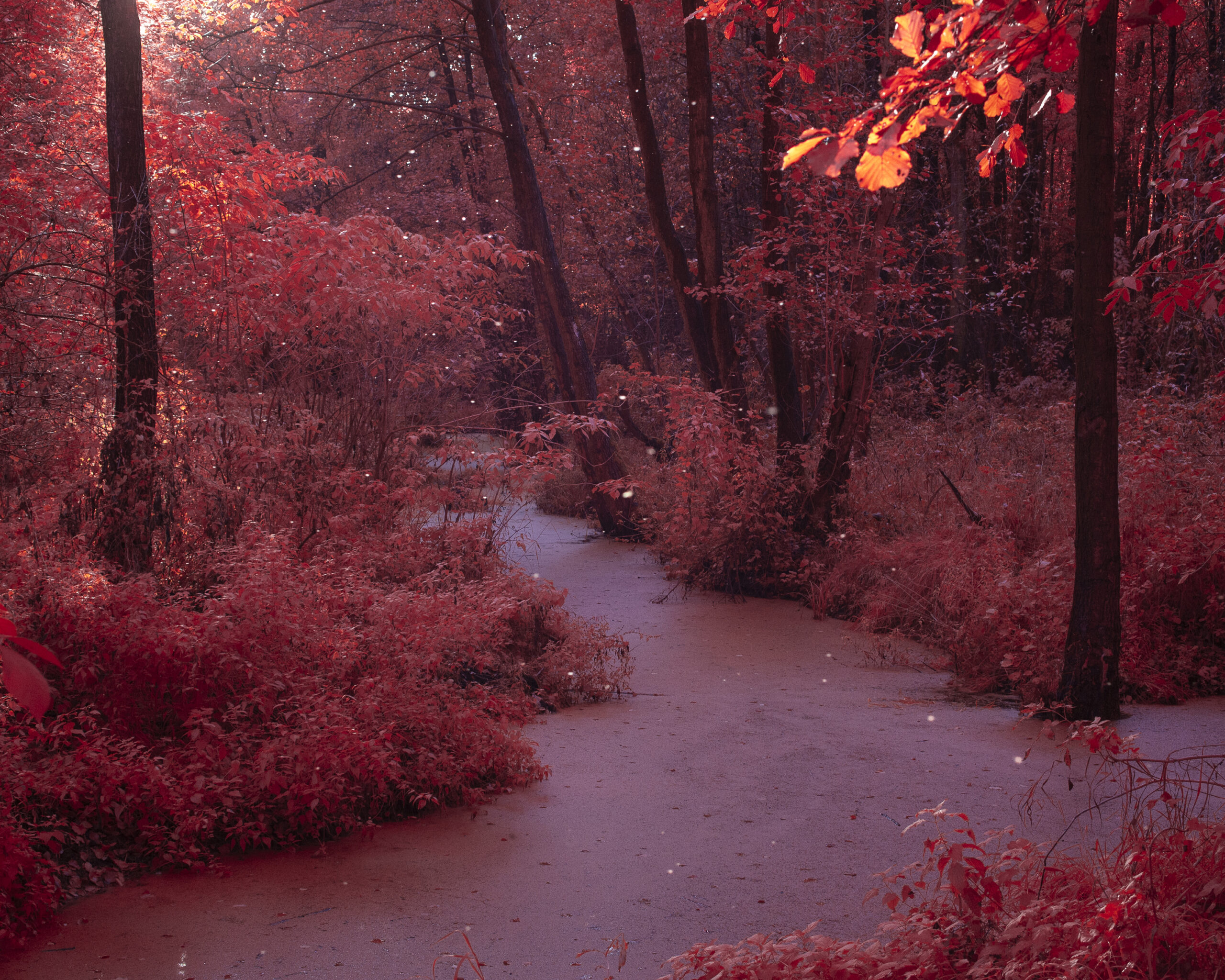
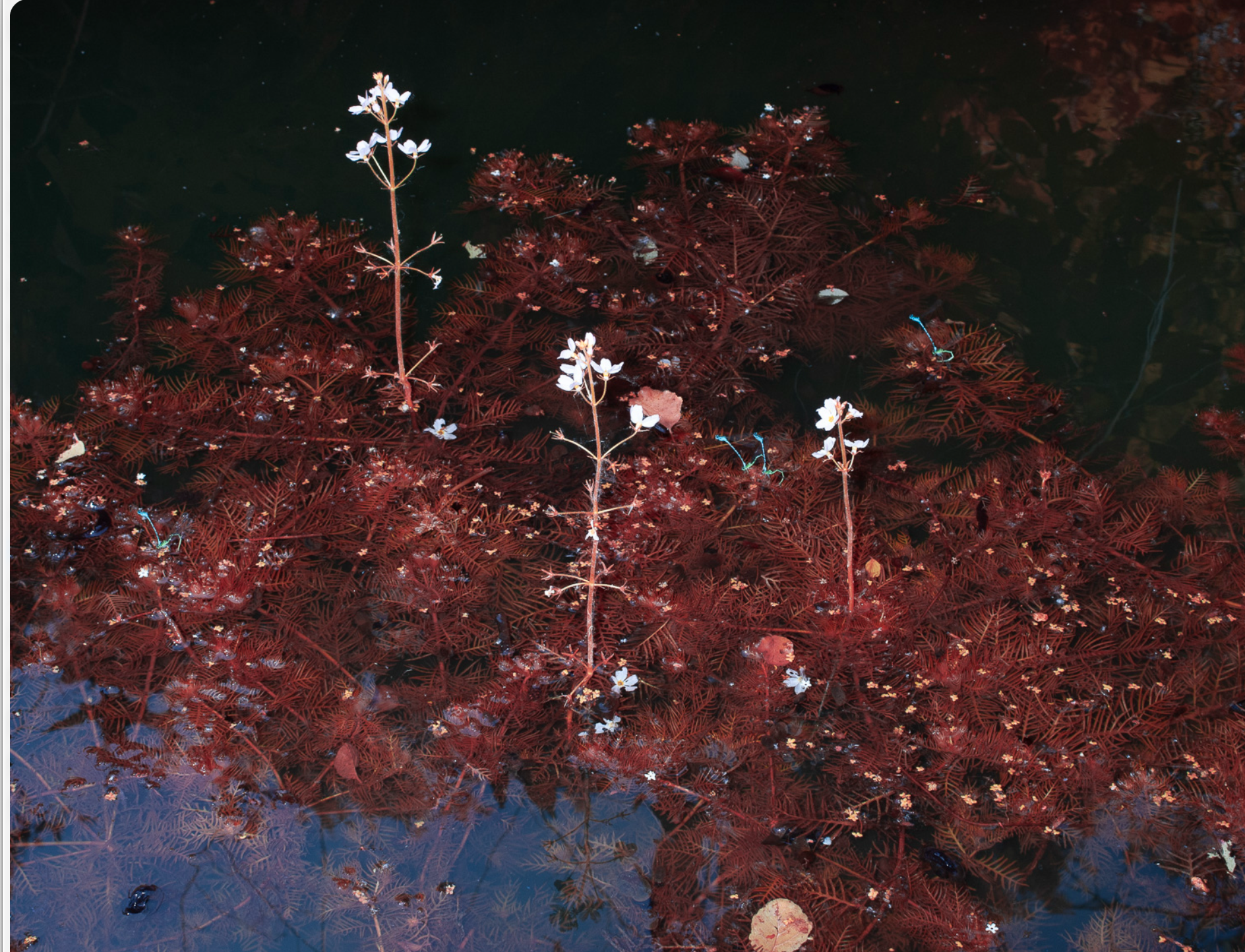
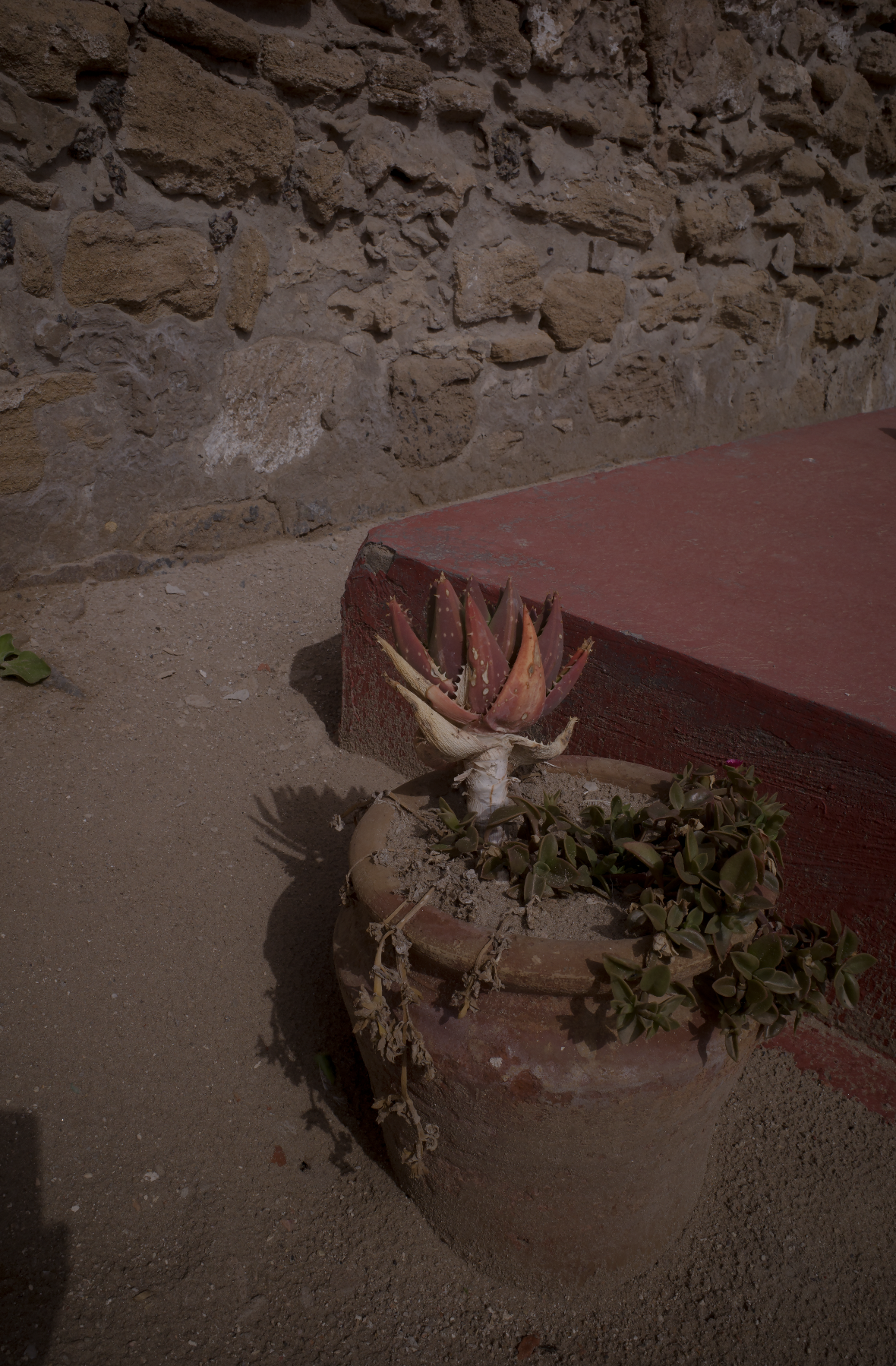
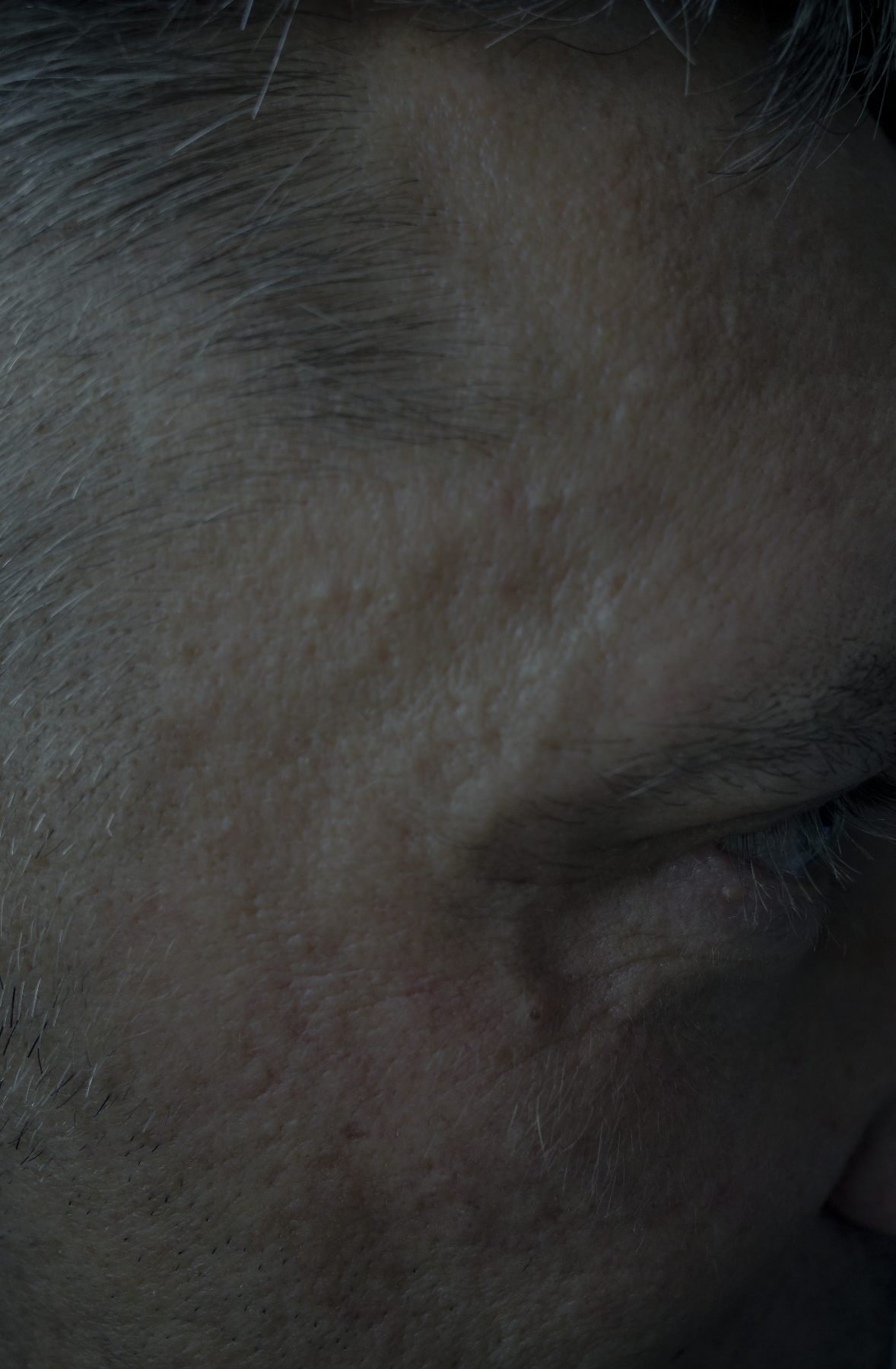
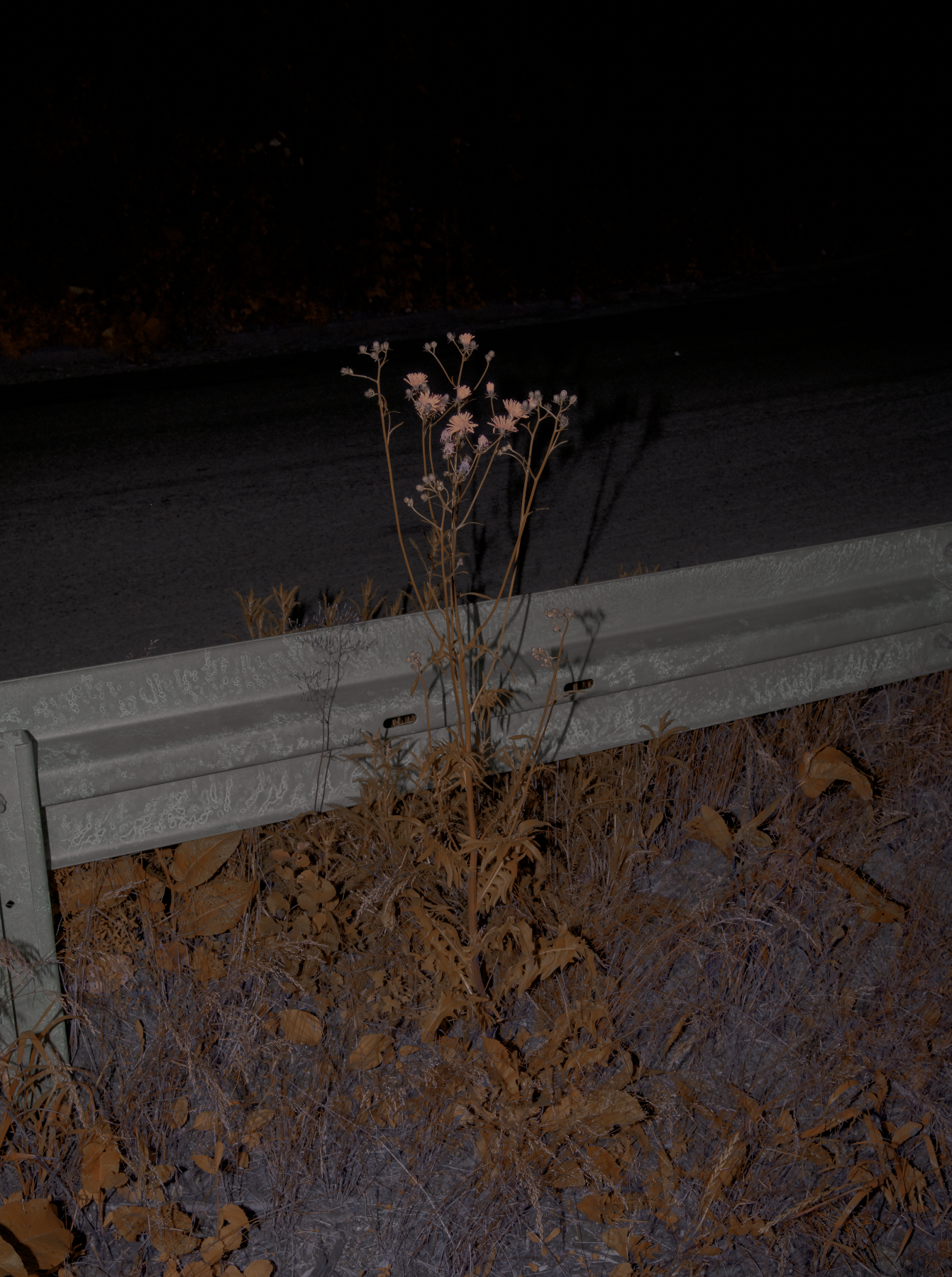
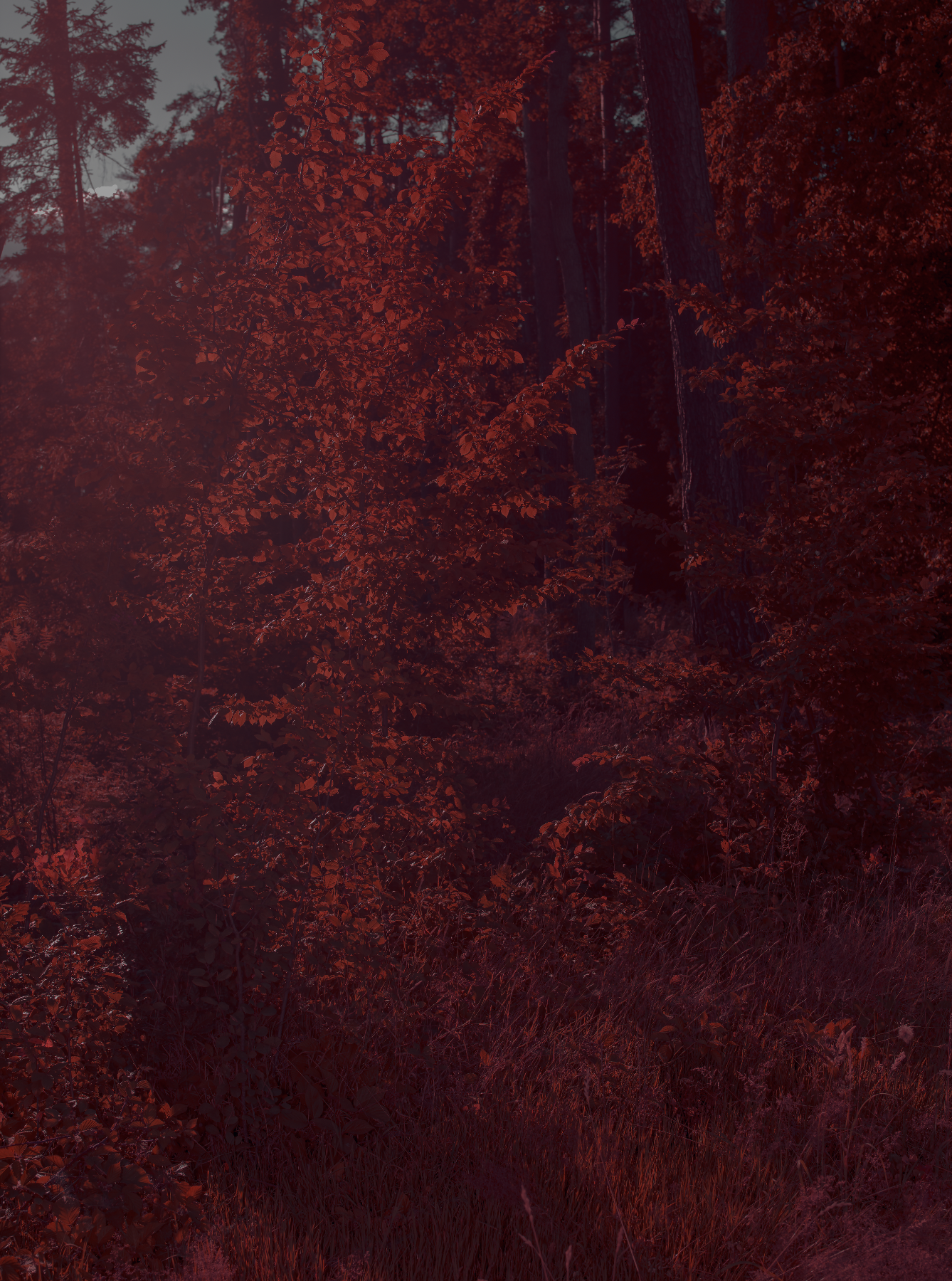
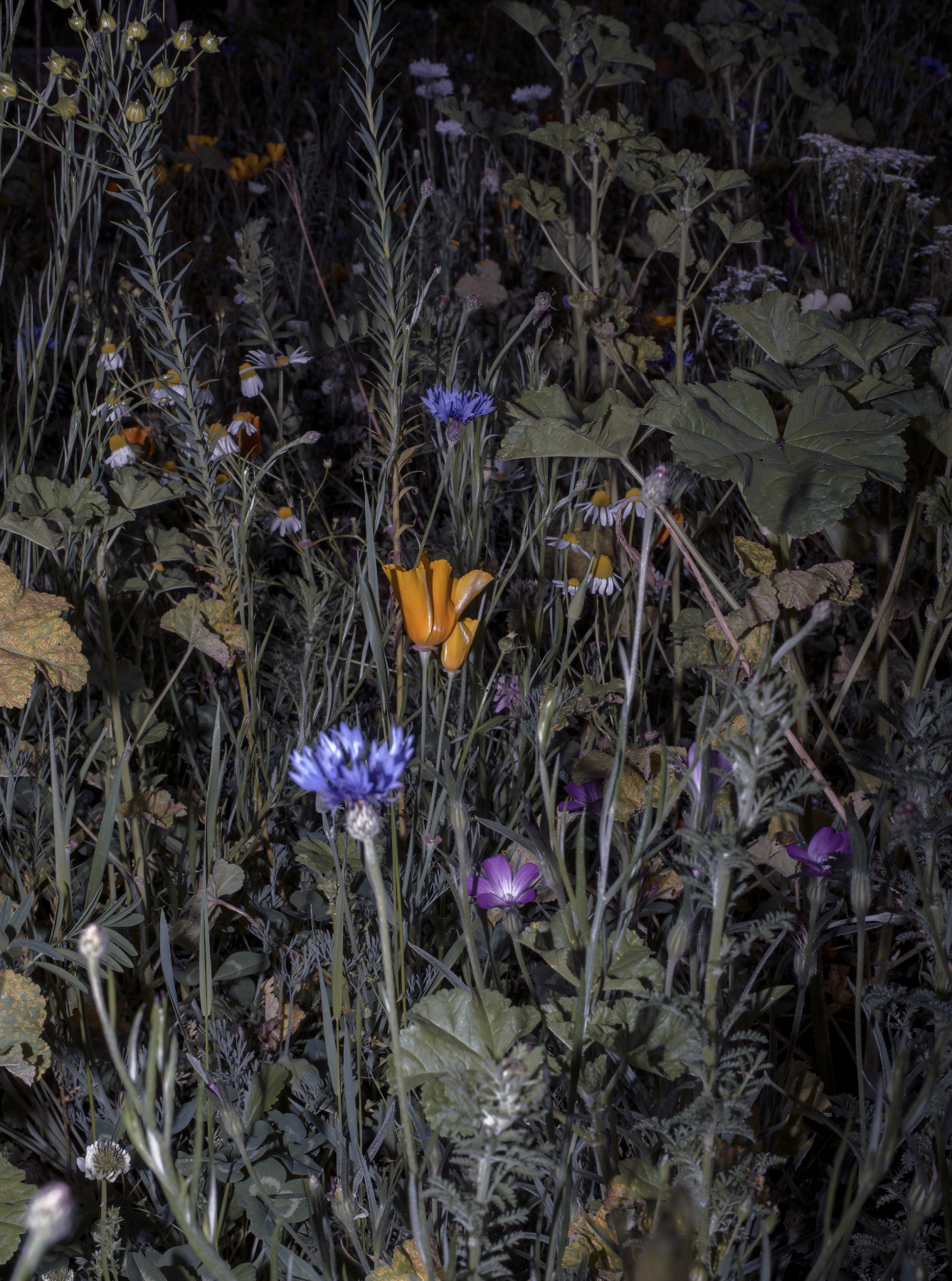
Łukasz Rusznica pushes this reflection even further. All Empires Will Fall is an attempt to imagine the world after the end of humanity. It is not just about the death of the individual, but about the disappearance of the entire order in which the human gaze was the center of reality. In Rusznica’s photographs, the world continues despite the absence of humanity. Plants, light, matter, and time remain. The landscape no longer needs a witness, interpreter, or possessor to exist. Memory, ambition, the need to leave a mark, and the conviction of one’s uniqueness vanish. From this perspective, humanity ceases to be the measure of the world, and their labor and existence prove to be merely a brief episode in the planet’s history.
Both projects converge here. They question the modern association of labor with agency, understood as the constant transformation of the world. They demonstrate that the greatest challenge of modernity is learning to live in a world with its own autonomy and rhythms. In the context of the Labor festival, this perspective takes on particular significance. Discussions about automation, artificial intelligence, and robotization most often focus on which human tasks will be taken over by technology. The exhibition presented here reverses this logic and asks what will become of labor if it ceases to mean production, control, and subordination. Perhaps the future of work depends not solely on who will perform specific tasks — human or machine — but on how we redefine our own role in the world. Each project challenges the belief that the value of human action is measured primarily by the ability to constantly transform reality. They propose a perspective in which humans are no longer the sole point of reference. In this sense, the exhibition is not about the end of labor, but about the end of the notion that labor is the ultimate source of human agency and the measure of our place in the world. It thus opens a space for thinking about human presence as one of many forces co-creating the world.
Paweł Bąkowski
Curator
DAEJEON INTERNATIONAL PHOTO FESTIVAL
9–20.09.2026
Daejeon Gallery
56 Junggyo-ro
Jung-gu
Daejeon
South Korea
Artistic Director of Festival:
Jeauk Kang
Curator:
Paweł Bąkowski
MICHAŁ ADAMSKI
Documentary photographer. He concentrates primarily on long-term documentary projects. In his photographs he deals with social and documentary issues, with a great importance of a man and his life in the modern world. He also touches on personal topics, as exemplified by his 2015 book “I Can’t Get Through the Chaos”.
He graduated from the University of Life Sciences in Poznań in 2001 and began working on his family farm. At the age of 30, he discovered a passion for photography and started a gradual transition away from agriculture. He participated in workshops organized by Napo Images and Sputnik Photos and studied photography at the Institute of Creative Photography in Opava.
He has been a recipient of scholarships from the Minister of Culture and National Heritage (2017) and the Marshal of the Greater Poland Voivodeship (2015 and 2024).
He is a co-founder of the Pix.House Foundation and Gallery. He is also a member of the Archive of Public Protests collective. He is the author of the photobooks “Nie mogę przebrnąć przez chaos”, “Two Tailed Dog”, and “Ciemno w dzień, ciemno w nocy” (“Dark in the Day, Dark at Night”).
His works have been exhibited widely across Poland, as well as in Portugal, Germany, France, Italy, Slovakia, Czech Republic, Lithuania and the USA.
ŁUKASZ RUSZNICA
Photographer and curator, in artistic practice focused mainly on the photographic book. He is the winner of the Photographic Publication of the Year 2019 – Krzysiek Makowski Award – for the photographic book “Subterranean river”, winner of the Warto Award 2015 and the Griffin Art Space Prize – Lubicz 2017. The book “How to Look Natural in Photos” by Beata Bartecka and Łukasz Rusznica was in the finals of The Rencontres d’Arles Book Awards in 2021. Additionally received the title of Photographic Publication of the Year 2022 – Krzysiek Makowski Award.
In 2020, he received a scholarship from the Minister of Culture and National Heritage and a scholarship from the President of Wrocław. In 2016 he was a participant in the European Eyes on Japan project. His works have been shown in galleries and institutions such as: Krakow Photomonth, BWA Wrocław, TIFF Festival, Raster Gallery, Wrocław Contemporary Museum, Museum of Art in Łódź, Haus am Lützowplatz in Berlin, Maison de la Photographie in Lille. In 2021 he was the artistic director of the 11th edition of the TIFF Festival in Wrocław. He runs small publishing house SUN ARCHIVE in Wrocław.